

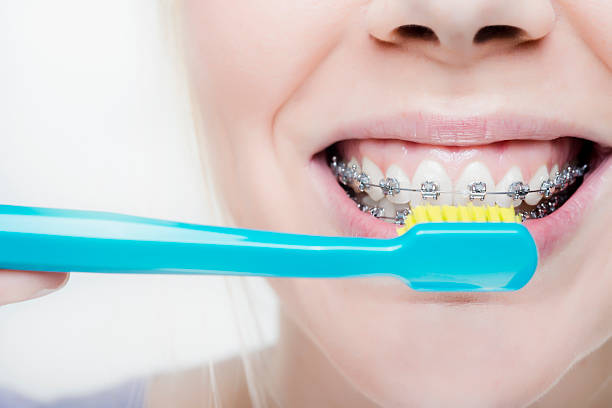
Caring for Your Braces
Maintaining excellent oral hygiene during orthodontic treatment is essential to ensure healthy teeth and gums, prevent permanent staining, and achieve the best possible result from your braces.
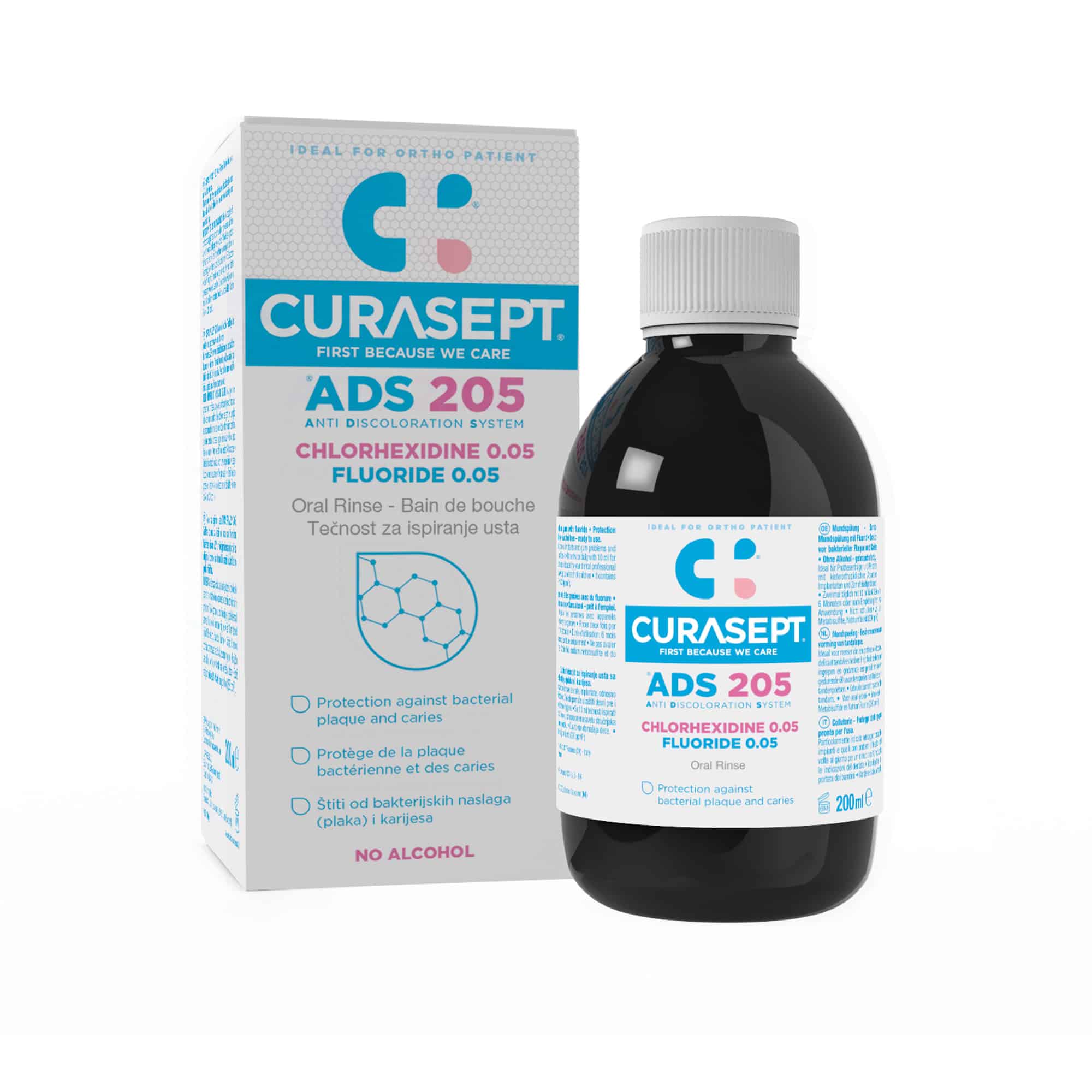
We recommend the use of Curasept ADS 705 toothpaste and Curasept ADS 205 mouth rinse for all our patients. These products are ideal for orthodontic care, containing 0.05% sodium fluoride and 0.05% chlorhexidine for safe daily use.
Why Oral Hygiene is Important with Braces
Braces create additional areas where food and plaque can accumulate. Without proper cleaning, this can lead to:
- Tooth decay (cavities)
- Gum inflammation (gingivitis)
- Permanent white marks (decalcification)
- Bad breath
- Delays in treatment progress
Signs You Need to Improve Your Cleaning
Braces care is essential and non-negotiable. If oral hygiene is not maintained, treatment may be affected.
Watch for:
- Red or swollen gums
- Bleeding when brushing or flossing
- White marks on teeth
- Persistent bad breath
If these signs are present, it may result in your braces being removed early before treatment is complete.
💡 Important: Braces do not cause decay—poor oral hygiene does.
Final Reminder
Good oral hygiene during orthodontic treatment will:
✔ Protect your teeth and gums
✔ Prevent permanent damage
✔ Help you achieve a beautiful, healthy smile
If you are wearing braces, taking the time to clean your teeth properly and being mindful of your diet will make a significant difference. These simple daily habits will help ensure the best possible result when your braces come off.
Brushing Instructions
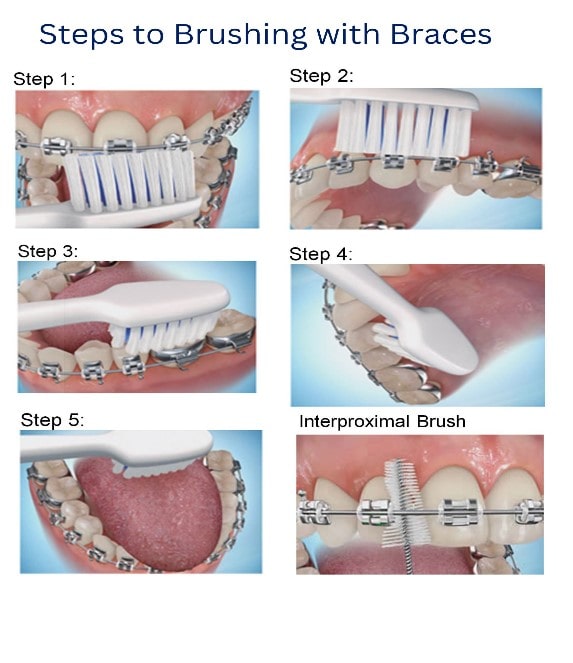
You should brush your teeth at least twice a day, ideally after every meal.
How to brush effectively:
- Use the soft-bristled orthodontic toothbrush and Curasept ADS 705 toothpaste provided in your care kit.
- This toothpaste contains chlorhexidine and fluoride to help eliminate bacteria and reduce discolouration.
- Angle the brush at 45 degrees toward the gumline.
- Clean thoroughly:
- Above the brackets
- Around the brackets
- Below the brackets
- Brush all tooth surfaces (front, back, and chewing surfaces).
- Spend at least 2 minutes brushing.
💡 Tip: Replace your toothbrush every 12 weeks or sooner if worn.
Flossing
Flossing is just as important as brushing. With braces, it can take more time, so we recommend using a water flosser.
Benefits of a water flosser:
- Removes plaque and food particles from around brackets and wires
- Helps reduce plaque and improve gum health
- Gently massages and stimulates the gums
A water flosser is a small device that sprays a stream of water to clean between teeth and around braces. It is often easier and faster than traditional flossing.
💡 Tip: Water flossing takes about 1 minute per day and can be more effective and convenient than string floss.
Using Interdental Brushes
Small interdental brushes and a mono-tuft toothbrush are excellent for daily cleaning.
Use them to clean:
- Between brackets and wires
- Hard-to-reach areas
💡 Tip: Keep a few interdental brushes in your school bag or handbag—they can be rinsed and reused.
Mouthwash
You must use Curasept ADS 205 mouthwash once daily, preferably at night.
Benefits:
- Strengthens enamel
- Helps prevent decay and white spots
- Reduces harmful bacteria
- Supports healthy gums
💡 Tip: Keep the lid tightly closed and store in a cool, dry place at room temperature to maintain effectiveness.
Diet Tips
Certain foods can increase plaque buildup or damage your braces.
Avoid:
- Sticky foods (caramel, chewing gum)
- Hard foods (nuts, ice, pretzels, hard lollies, chocolate straight from the fridge)
- Crunchy foods (popcorn, thick chips)
- Sugary drinks and snacks
- Foods that require biting into forcefully (whole apples, raw carrots, corn on the cob)
Habits such as chewing ice, pens, pencils, or nails can damage your braces and affect treatment progress.
Never use your teeth as tools (e.g., opening bottles).
Limit:
- Soft drinks, fruit juices, cordial, and energy drinks
💡 Tip: Drink water after eating if you cannot brush straight away.
Regular Dental Visits
Continue to visit your general dentist, hygienist, or oral health therapist every 6 months for check-ups and professional cleaning.
💡 Tip: Do not miss your orthodontic appointments with Dr Chisholm—this helps ensure your treatment stays on track.
- Keeping Your Braces Clean
-
Caring for Your Braces
Maintaining excellent oral hygiene during orthodontic treatment is essential to ensure healthy teeth and gums, prevent permanent staining, and achieve the best possible result from your braces.
We recommend the use of Curasept ADS 705 toothpaste and Curasept ADS 205 mouth rinse for all our patients. These products are ideal for orthodontic care, containing 0.05% sodium fluoride and 0.05% chlorhexidine for safe daily use.
Why Oral Hygiene is Important with Braces
Braces create additional areas where food and plaque can accumulate. Without proper cleaning, this can lead to:
- Tooth decay (cavities)
- Gum inflammation (gingivitis)
- Permanent white marks (decalcification)
- Bad breath
- Delays in treatment progress
Signs You Need to Improve Your Cleaning
Braces care is essential and non-negotiable. If oral hygiene is not maintained, treatment may be affected.
Watch for:
- Red or swollen gums
- Bleeding when brushing or flossing
- White marks on teeth
- Persistent bad breath
If these signs are present, it may result in your braces being removed early before treatment is complete.
💡 Important: Braces do not cause decay—poor oral hygiene does.
Final Reminder
Good oral hygiene during orthodontic treatment will:
✔ Protect your teeth and gums
✔ Prevent permanent damage
✔ Help you achieve a beautiful, healthy smileIf you are wearing braces, taking the time to clean your teeth properly and being mindful of your diet will make a significant difference. These simple daily habits will help ensure the best possible result when your braces come off.
- Brushing, water flosser and interdental brushes
-
Brushing Instructions
You should brush your teeth at least twice a day, ideally after every meal.
How to brush effectively:
- Use the soft-bristled orthodontic toothbrush and Curasept ADS 705 toothpaste provided in your care kit.
- This toothpaste contains chlorhexidine and fluoride to help eliminate bacteria and reduce discolouration.
- Angle the brush at 45 degrees toward the gumline.
- Clean thoroughly:
- Above the brackets
- Around the brackets
- Below the brackets
- Brush all tooth surfaces (front, back, and chewing surfaces).
- Spend at least 2 minutes brushing.
💡 Tip: Replace your toothbrush every 12 weeks or sooner if worn.
Flossing
Flossing is just as important as brushing. With braces, it can take more time, so we recommend using a water flosser.
Benefits of a water flosser:
- Removes plaque and food particles from around brackets and wires
- Helps reduce plaque and improve gum health
- Gently massages and stimulates the gums
A water flosser is a small device that sprays a stream of water to clean between teeth and around braces. It is often easier and faster than traditional flossing.
💡 Tip: Water flossing takes about 1 minute per day and can be more effective and convenient than string floss.
Using Interdental Brushes
Small interdental brushes and a mono-tuft toothbrush are excellent for daily cleaning.
Use them to clean:
- Between brackets and wires
- Hard-to-reach areas
💡 Tip: Keep a few interdental brushes in your school bag or handbag—they can be rinsed and reused.
- Use the soft-bristled orthodontic toothbrush and Curasept ADS 705 toothpaste provided in your care kit.
- Mouthwash, diet tips, regular dental appointments
-
Mouthwash
You must use Curasept ADS 205 mouthwash once daily, preferably at night.
Benefits:
- Strengthens enamel
- Helps prevent decay and white spots
- Reduces harmful bacteria
- Supports healthy gums
💡 Tip: Keep the lid tightly closed and store in a cool, dry place at room temperature to maintain effectiveness.
Diet Tips
Certain foods can increase plaque buildup or damage your braces.
Avoid:
- Sticky foods (caramel, chewing gum)
- Hard foods (nuts, ice, pretzels, hard lollies, chocolate straight from the fridge)
- Crunchy foods (popcorn, thick chips)
- Sugary drinks and snacks
- Foods that require biting into forcefully (whole apples, raw carrots, corn on the cob)
Habits such as chewing ice, pens, pencils, or nails can damage your braces and affect treatment progress.
Never use your teeth as tools (e.g., opening bottles).Limit:
- Soft drinks, fruit juices, cordial, and energy drinks
💡 Tip: Drink water after eating if you cannot brush straight away.
Regular Dental Visits
Continue to visit your general dentist, hygienist, or oral health therapist every 6 months for check-ups and professional cleaning.
💡 Tip: Do not miss your orthodontic appointments with Dr Chisholm—this helps ensure your treatment stays on track.
Services We Offer
First Visit
Come and see us for your first consultation, we offer full oral examinations and x-rays.
Learn More
Treatments
There are a range of benefits of early treatment, contact us today for all your preventative measures.
Learn More
Braces
For all your braces needs, we provide both metal and clear options to suit your preferences.
Learn More
Invisalign
Straighten your teeth without anyone knowing, we can discuss how Invisalign can help you gain your confidence again.
Learn More
Incognito
Considering non-visible braces? We offer incognito braces thatattach to the inside of your teeth.
Learn More
Oral Hygiene
We have a range of mouthwash, toothpaste and toothbrush recommendations and advice to keep your mouth healthy.
Learn More